01
Branding is broader than a logo. Strategy, messaging, visual identity, and consistent use have to work together.

Nonprofit branding services built to clarify your mission.
Nonprofit branding services help an organization decide how it should be understood, remembered, and recognized. Red Clay Creative brings stakeholder research, positioning and messaging, visual identity, graphic design, and brand guidelines together, so your website, fundraising, programs, and everyday communications tell the same story.
Let's talk about your brand →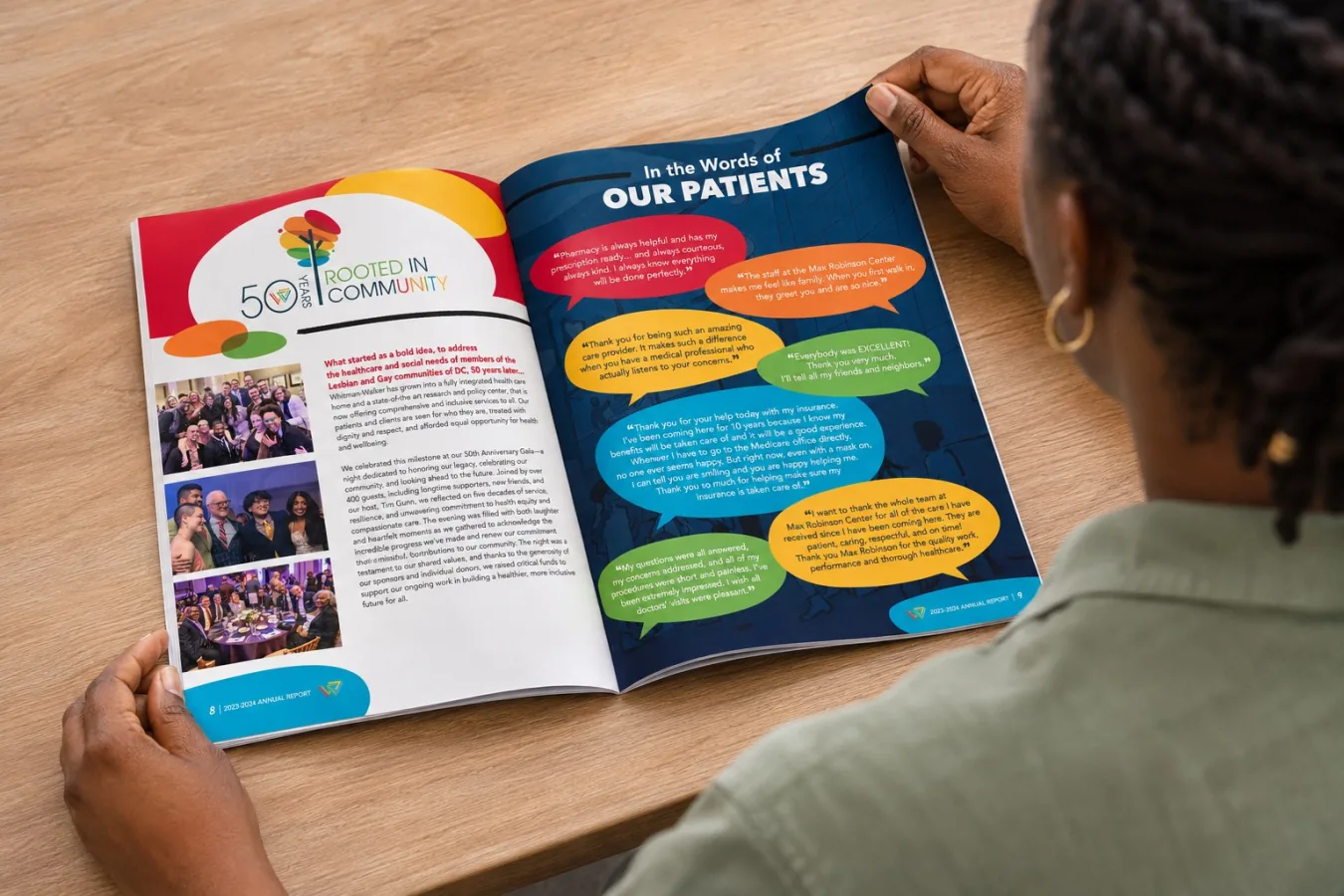
At a glance

Service stage
02 Build
01
Branding is broader than a logo. Strategy, messaging, visual identity, and consistent use have to work together.
02
Not every organization needs a full rebrand. A focused refresh or better tools for your current identity may do more.
03
Gather input widely, but agree on who makes the final decisions before the first workshop.
04
Brand guidelines only help if staff can apply them in the tools and materials they use every week.
05
Plan accessibility and rollout while the system is being designed, not after the board approves it. Our Whitman-Walker work shows how stakeholder research can sharpen a message.
Experience
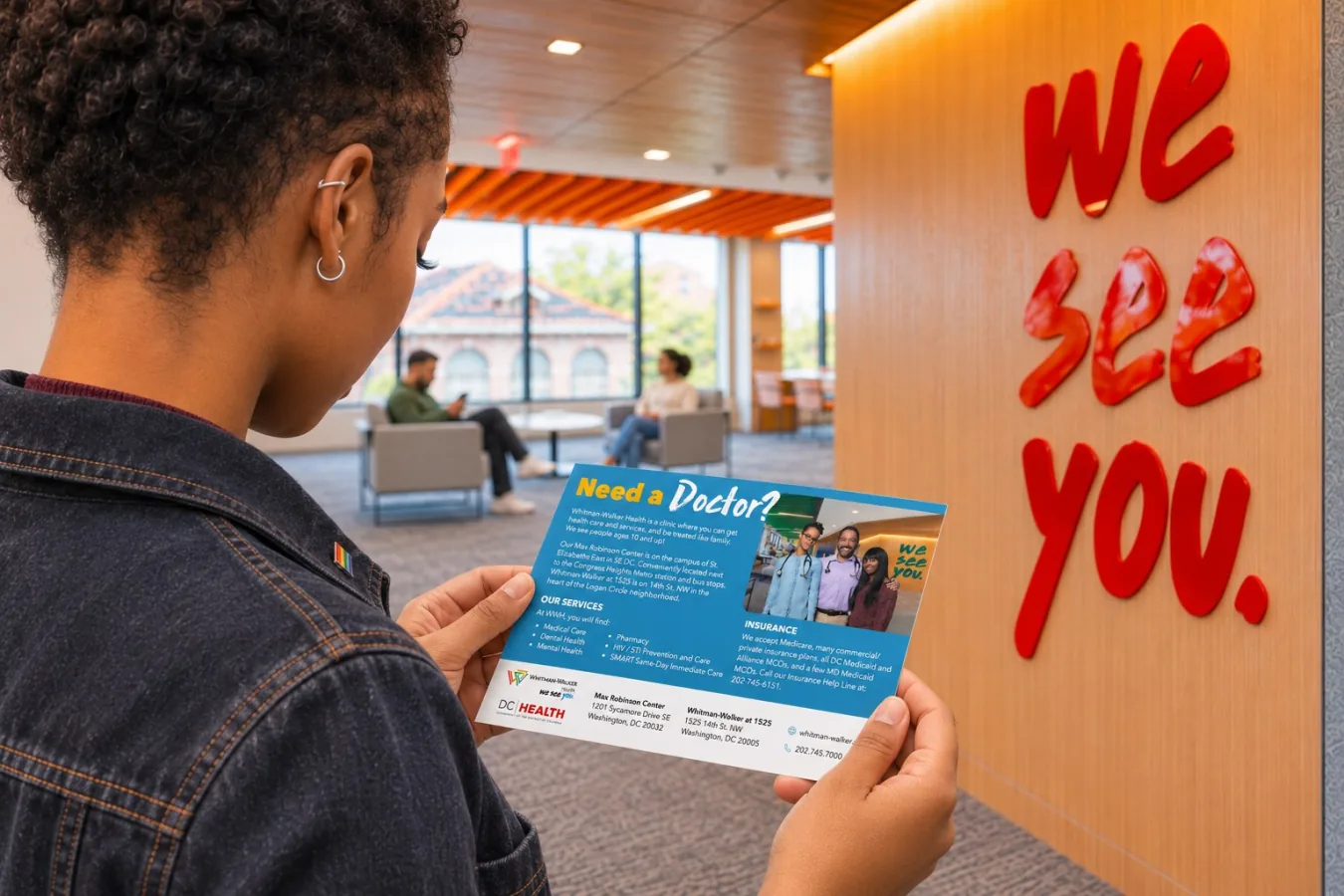
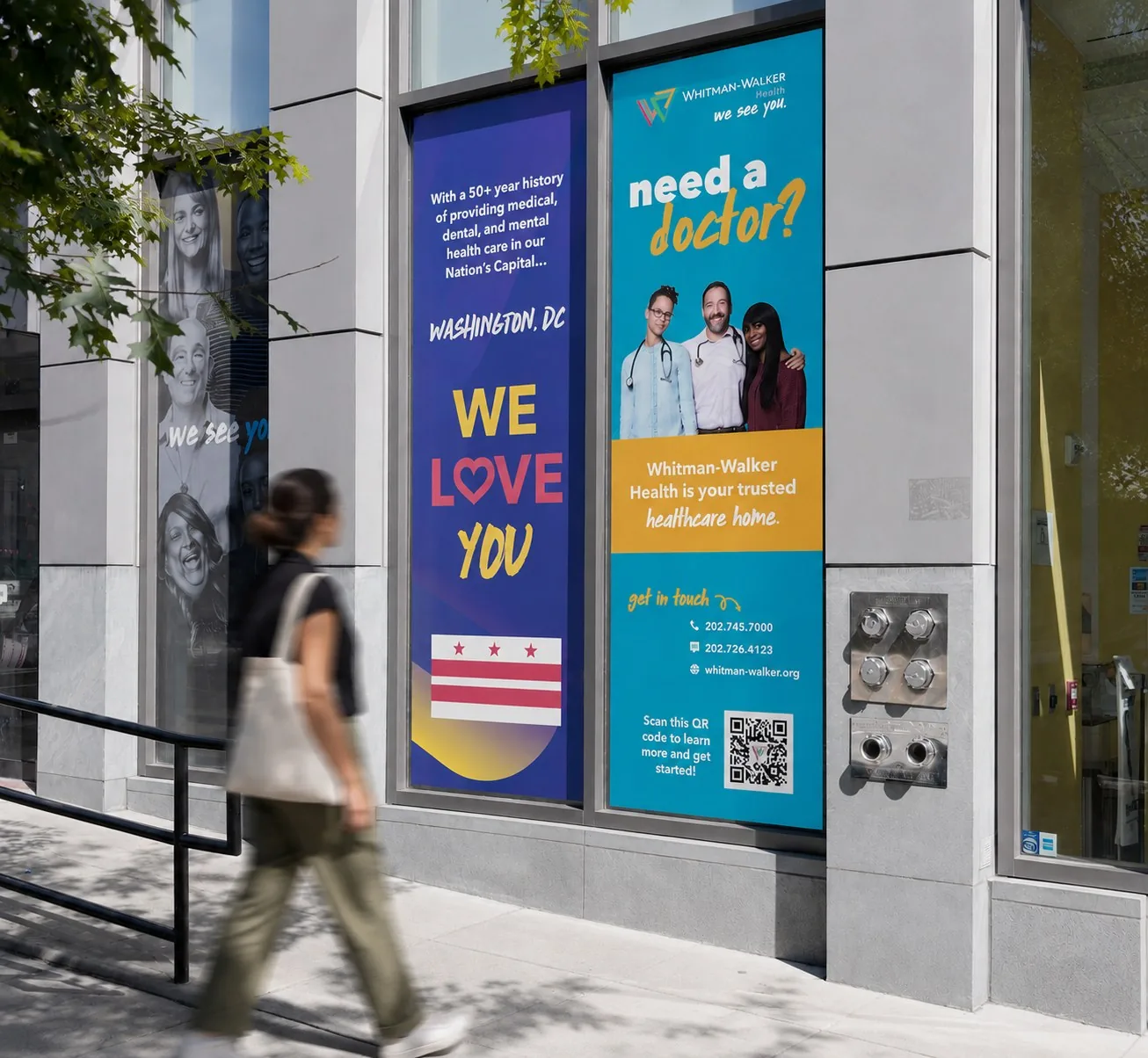
Most nonprofits do not have a designer on staff, so the brand drifts a little every time someone builds a flyer or a slide deck. Our nonprofit branding work covers brand strategy and visual identity, then stays with you for the campaigns, reports, print collateral, and social graphics that follow. For Whitman-Walker, that has included campaign materials, print pieces, and work for the organization’s 50th anniversary.
“Without a graphic designer on staff in-house, Red Clay serves as our de facto design team, who are great collaborators that bring my ideas to life. Their creativity is boundless.”
Lisa Amore · Senior Director of Communications, Whitman-Walker
The challenge
New programs. New leaders. New audiences. Somewhere along the way, the brand started describing a smaller organization than yours.
Staff, board members, and partners each explain the mission differently. That calls for strategy and messaging first.
The strategy holds, but the logo, colors, and materials feel dated. A focused refresh may be enough.
The identity works, but busy staff rebuild it for each campaign. Templates and ongoing design support keep it consistent.
Outcomes
We define success with your team at the start. These are intended outcomes, not promised fundraising, awareness, or engagement figures.
01
Help people understand who you are, what you do, and why the work matters.
02
Make your website, reports, campaigns, and events look and sound like they come from the same place.
03
Give each program and initiative a clear place within the larger brand.
04
Let your team create consistent materials without starting from a blank page.
05
Choose color, type, and graphics so more people can read and use them.
What we do
Branding is several connected jobs. Research shapes the message, the message shapes the visuals, and the visuals have to hold up in the materials your team makes every week. We scope the parts you need.
01
Review your current brand, website, and materials, and talk with the people who know the organization best. Discovery shows what’s working, what’s confusing, and where people already disagree.
What takes shape
Brand audit and stakeholder findings
02
Turn your purpose and audiences into positioning, a message hierarchy, and a voice staff can reuse. A single tagline can’t carry everything, so each audience gets a clear starting point.
What takes shape
03
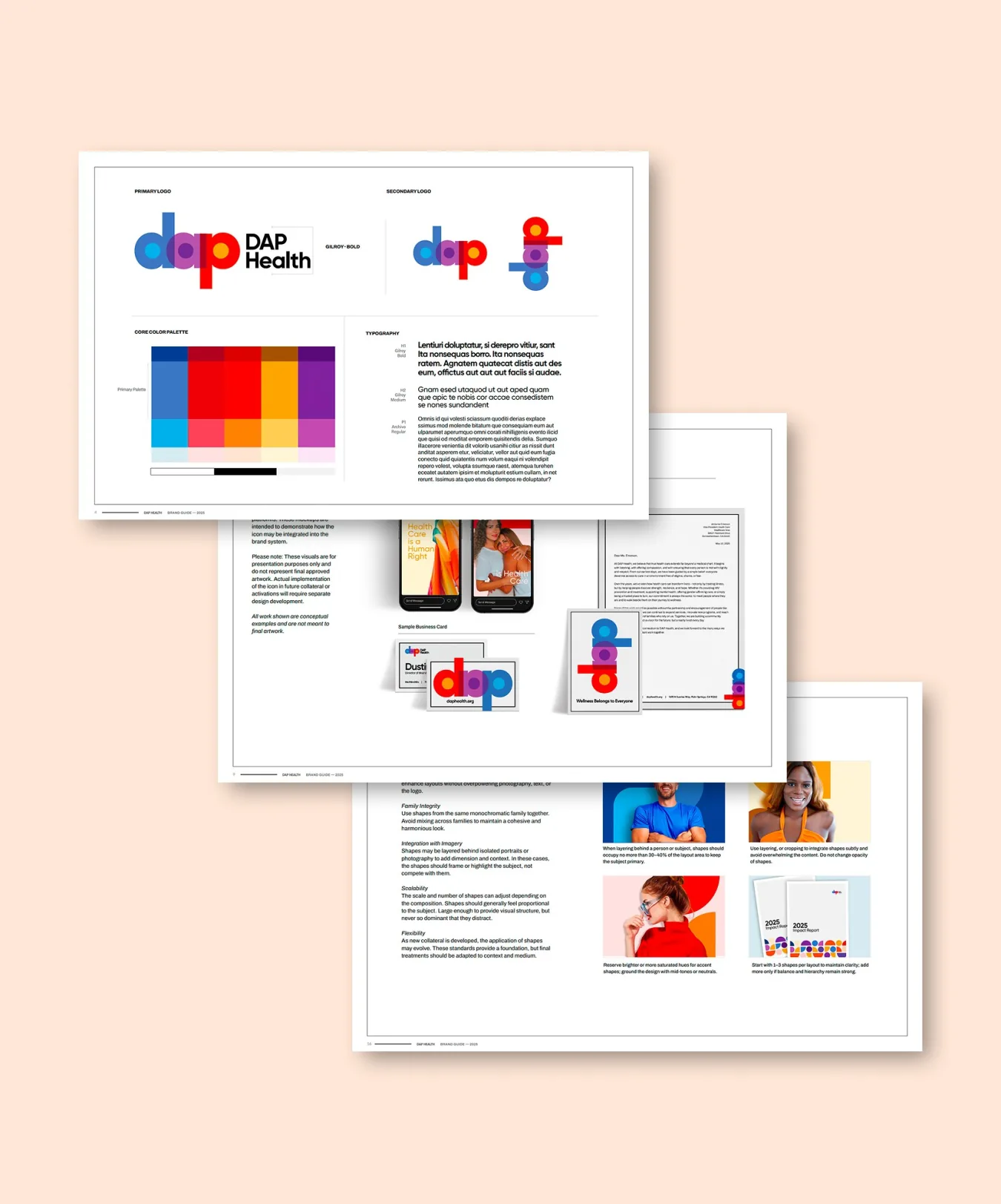
Logo, color, typography, imagery, and graphic elements work as one system. It needs enough structure to be recognized and enough room to work across programs, campaigns, and screens.
What takes shape
04
Brand guidelines explain the message and the visual system with real examples, so staff can make good decisions without a designer in the room.
What takes shape
Brand guidelines and templates
05
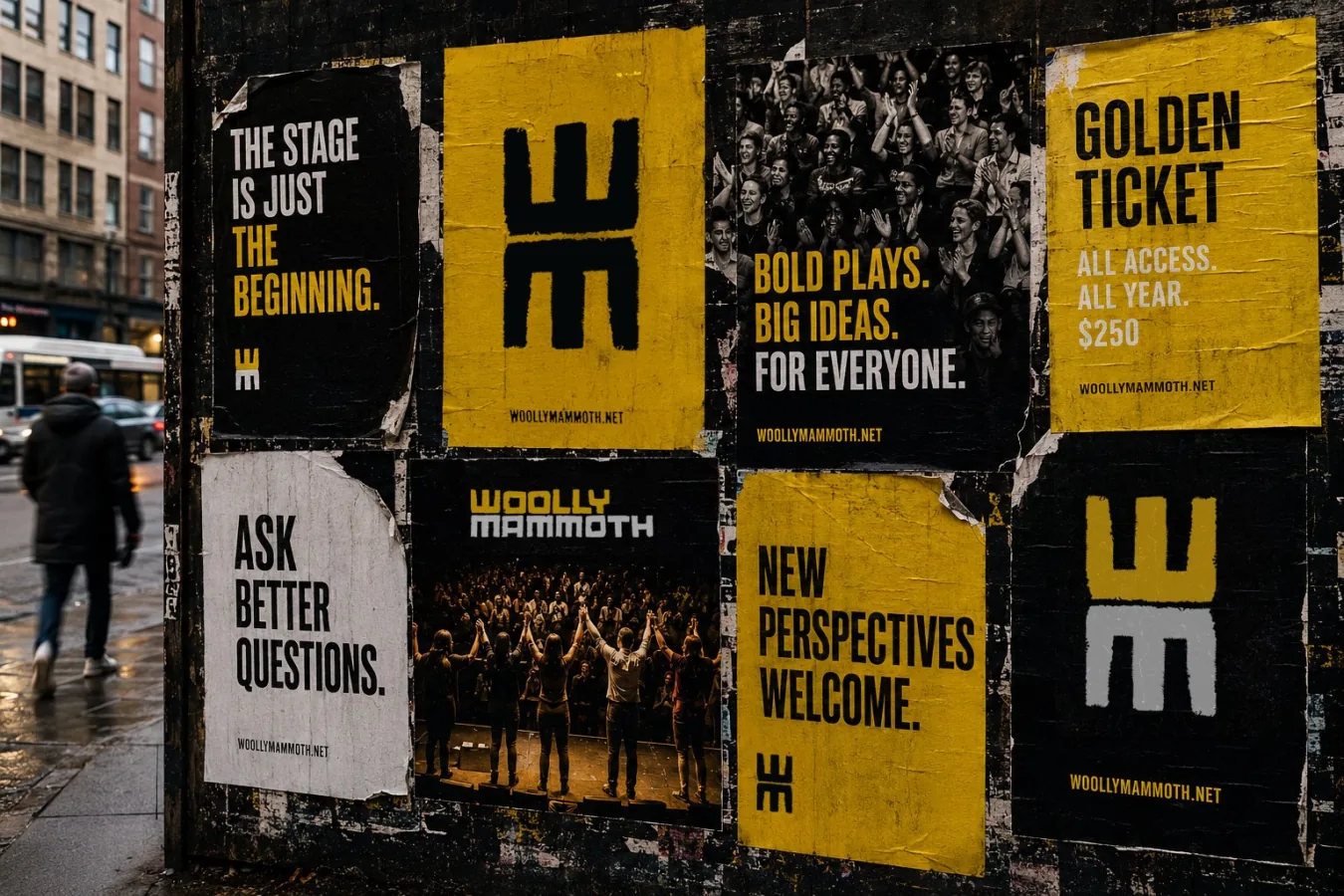
Apply the brand to the things you actually produce, from campaign materials and reports to presentations and social posts. Your team doesn’t have to reinvent the system each time.
What takes shape
06
A new brand reaches your website, social channels, and printed materials in stages. We plan the order with your team, including accessible color pairings for digital use, so communications don’t have to pause.
What takes shape
Rollout plan and first applications
How it works
We work through five phases, with a review and an approval at the end of each. We gather input broadly, agree early on who makes the final call, and turn what we hear into decisions.
01
We map who should be heard, then interview leadership, staff, board members, and key partners and review your current materials and peers. Before design begins, we agree on who gives input and who approves. Input is gathered widely; decisions stay with a small group.
You get
Stakeholder findings and clear decision roles
02
We draft your positioning, message hierarchy, and voice, then test them against what we heard. Your team reviews the language and approves the strategy before visual work starts. This is where we check that the message makes sense to someone outside the organization.
You get
An approved brand strategy and messaging framework
03
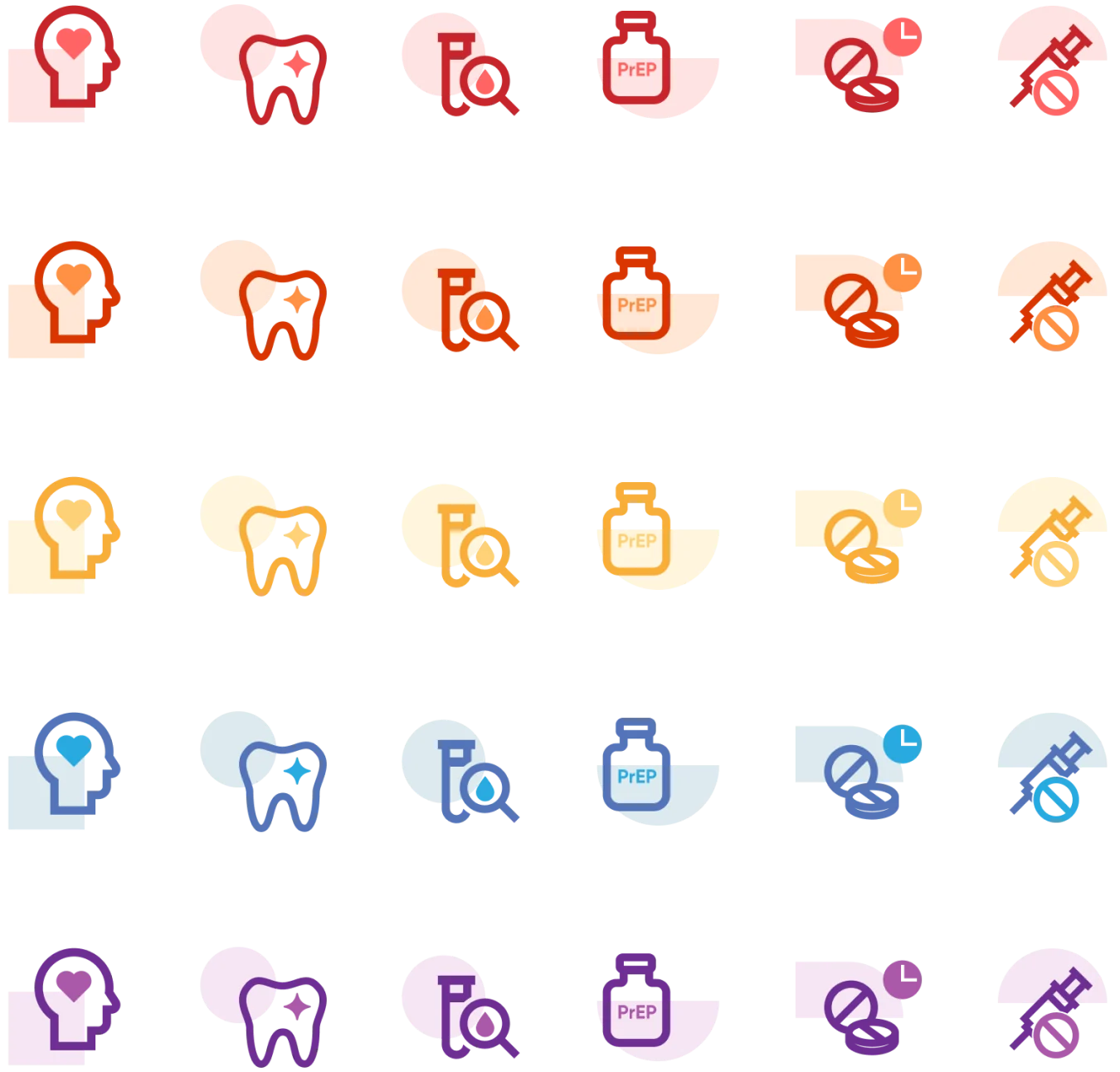
We develop the visual identity: a logo or mark as needed, color, typography, imagery, and graphic elements. Your team sees it applied to real materials, not floating on a blank slide, and approves the system before we document it.
You get
An approved visual identity
04
We build the brand guidelines, templates, and an organized file library, with accessible color pairings for digital use. Your team tests them on a real task, because guidelines nobody can find on deadline day aren’t doing their job yet.
You get
Guidelines, templates, and brand files
05
We carry the brand into the materials that matter first, such as your website, a campaign, or a report, and plan the rollout order with your team. Ongoing graphic design and periodic reviews help keep the brand from drifting.
You get
A rollout plan and first applications
whitman-walker.org
Client
Whitman-Walker
Partner
Spotted MP
Client since
2021
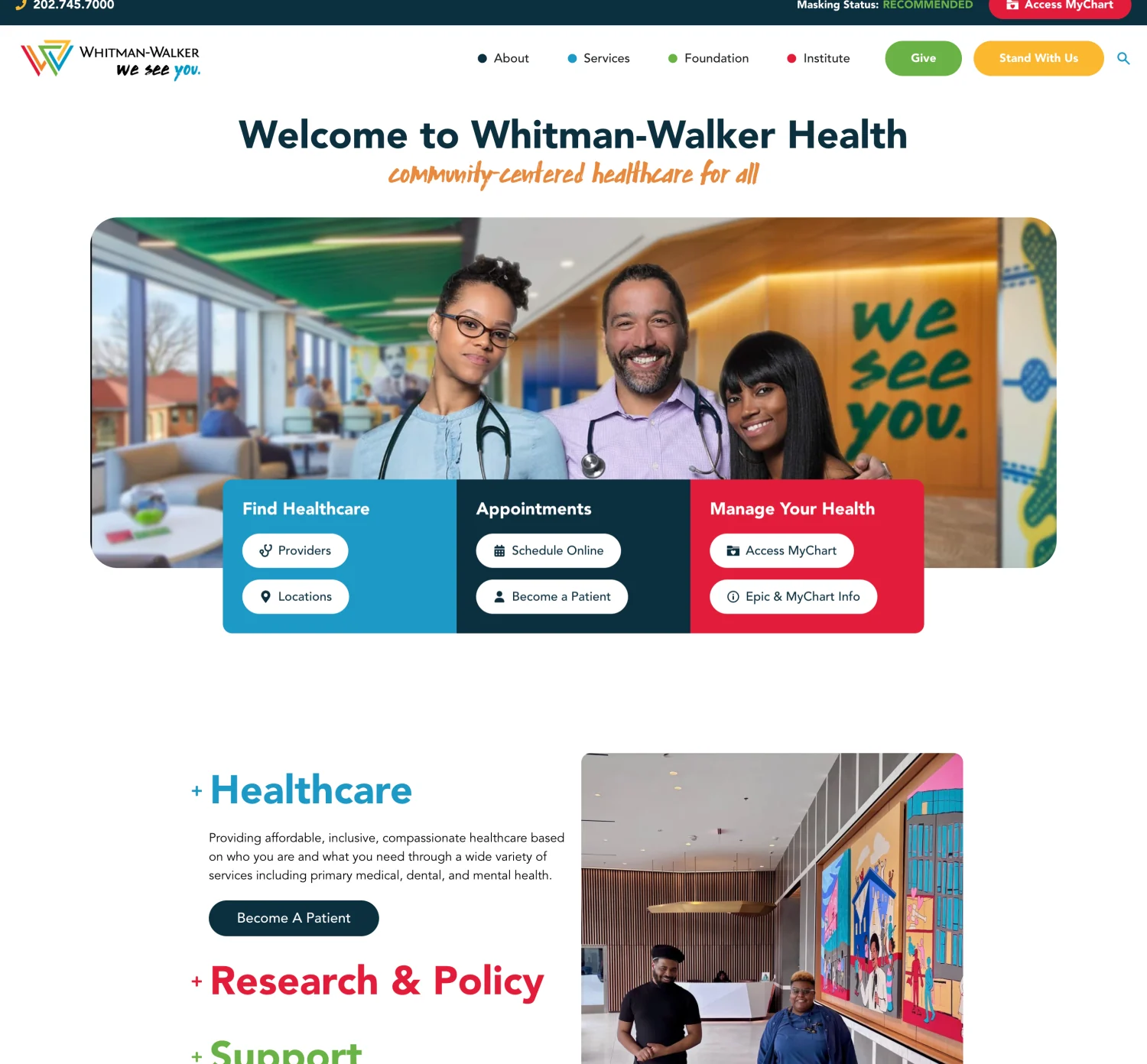
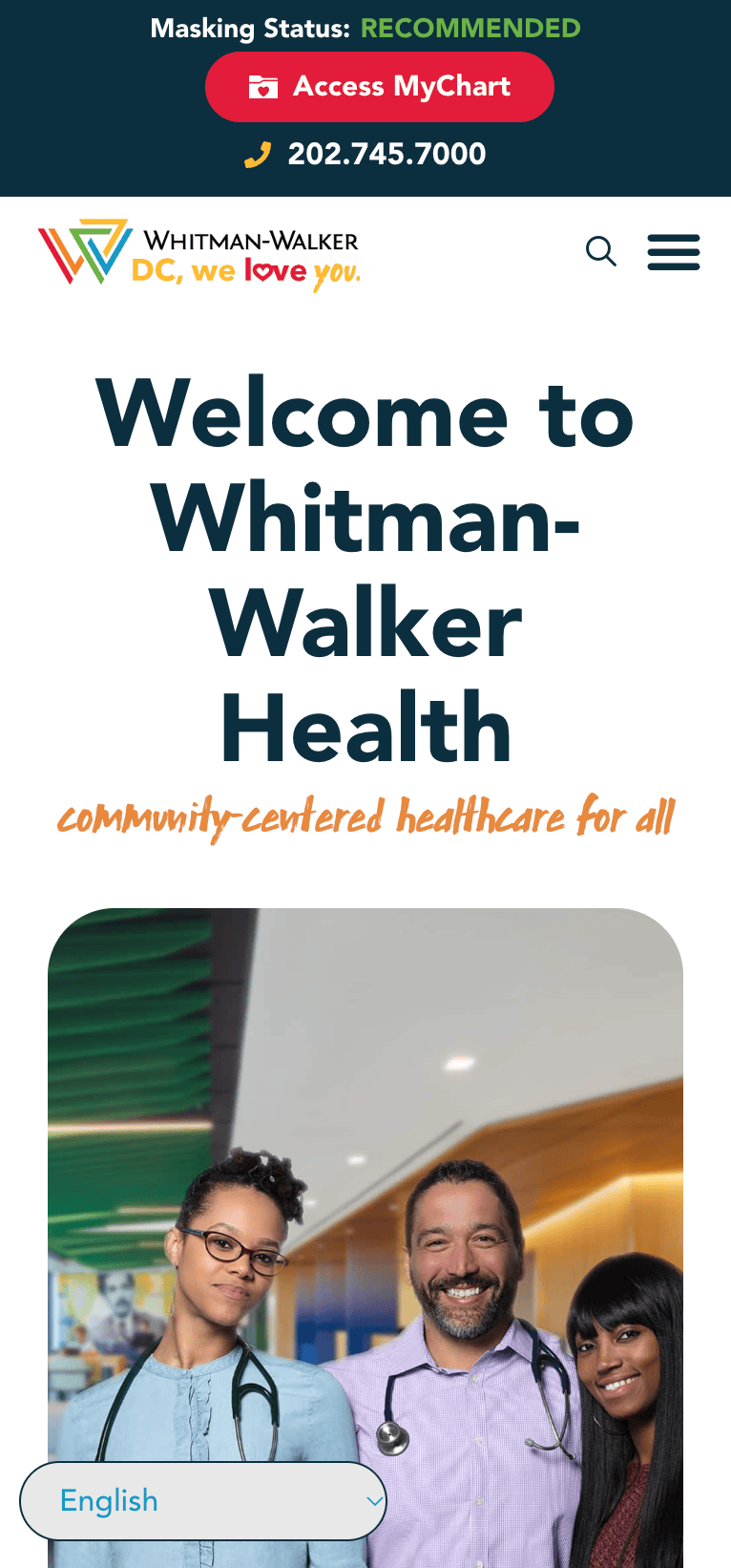
Whitman-Walker has been a client since 2021. Our work spans brand strategy, Digital Strategy, web design and development, graphic design, SEO, and Google Ads.
The relationship began with a question about how the organization explained itself. Whitman-Walker’s work spans care, advocacy, and research, and the brand needed to help people understand how those roles connect.
Working with Spotted MP, we conducted research and interviews with leadership, board members, and key stakeholders. That work informed the brand messaging, clarified how the organizational pillars support one another, and led to a strategy for bringing two websites together. We also supported Whitman-Walker’s 50th anniversary work.
Working together
Fit matters as much as a portfolio. These are the questions we’d ask in your position, and how we answer them.
Decision roles are agreed early. Everyone is heard, and the final call stays with the people you name.
Messaging comes before visuals, so each design choice connects back to what we learned from your stakeholders.
Guidelines, templates, and files are built around the materials your team already produces.
We also design and build nonprofit websites, so digital use and accessibility are planned from the start.
FAQ
They help an organization define how it should be understood and expressed. Depending on scope, the work can include stakeholder research, positioning and messaging, visual identity, brand guidelines, graphic design, and rollout support. We shape the scope around what your organization actually needs.
Brand strategy defines what the organization stands for and how it should be understood. Visual identity turns that strategy into a recognizable system of logo, color, type, and imagery. Graphic design applies the system to specific materials, such as reports, campaigns, presentations, and social posts.
A full rebrand makes sense when your positioning, messaging, or structure has materially changed. A refresh is often enough when the strategy still holds but the visuals or materials have become dated or inconsistent. If the identity works and execution is the problem, ongoing design support may be the answer.
We gather input from leadership, staff, board members, donors, partners, and the communities you serve, then look for patterns. Decision roles are agreed at the start, so the process stays inclusive without becoming design by committee.
The core message and voice, plus clear rules for logos, color, typography, imagery, and graphic elements. Real examples matter most. Staff should be able to make a consistent decision without a designer in the room.
It shapes the color palette, type choices, and graphics from the start. The W3C’s WCAG 2.2 asks for a contrast ratio of at least 4.5:1 for normal text and 3:1 for large text, with exceptions that include logos. We document accessible color pairings and avoid using color alone to carry meaning.
Often, yes. A new or refreshed brand can usually be applied through visual, content, and template updates. Whether the site needs a full redesign depends on how much its structure and experience conflict with the new brand.
It depends on scope, the depth of research, stakeholder availability, how approvals work, and the number of deliverables. We start with a conversation about those needs, so the proposed scope, budget, and timing reflect the actual work.
Support beyond the brand
Carry your brand into an accessible website that’s easy to explore and easy for your team to update.
Bring your brand, website, content, and marketing priorities into one practical plan, with ongoing support as things change.
Turn your messaging into content that helps each audience know what to read first and what to do next.
Let’s talk
Your brand shows up in every conversation your organization has. Whether you need a full rebrand, a focused refresh, or ongoing graphic design support, tell us what has changed and where the current brand is falling short. We’ll help you find the right scope and work toward a clear direction together.